


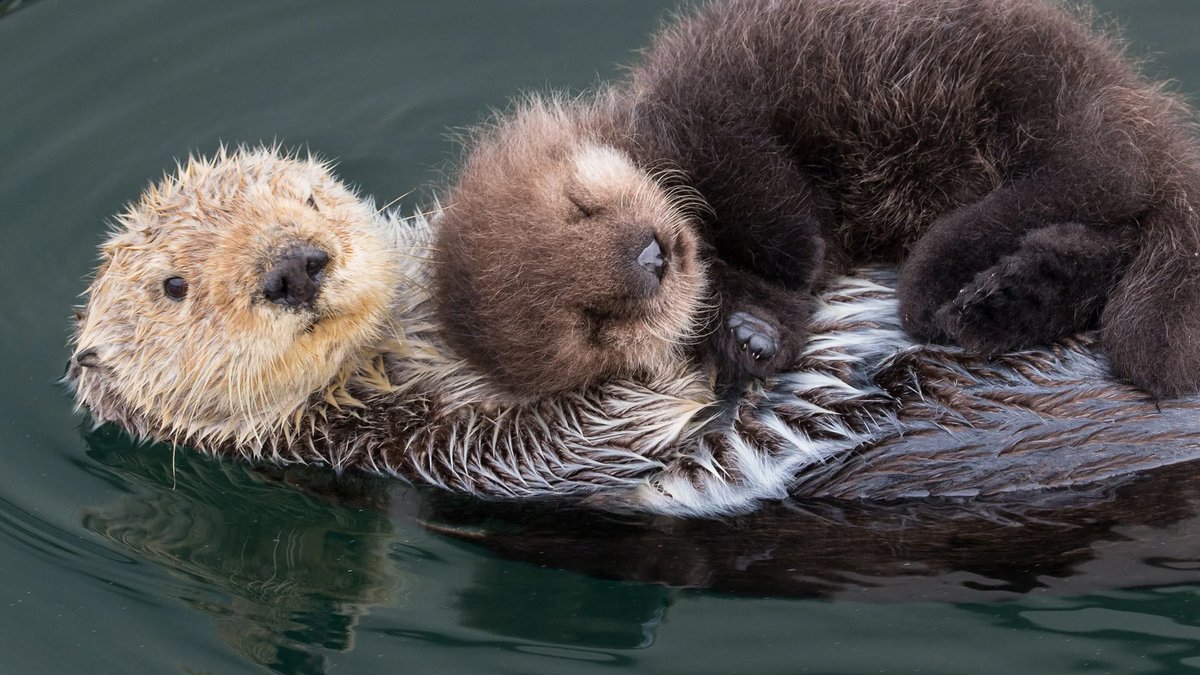
In the male-dominated world of wildlife photography, Suzi Eszterhas has faced her share of challenges and dangers. As a specialist in mother-and-baby animal photos, she’s encountered perilous situations that have shaped her career and inspired her to support young women entering the field.
Harassed and Threatened: A Harsh Reality
Eszterhas, now 50, recounted harrowing experiences while working in Kenya and Greece. In Kenya, she was falsely accused of poaching a cheetah cub, putting her in a life-threatening situation. “I had 12 very intoxicated rangers trying to take me into custody at about midnight,” she says. “It was truly, truly terrifying.” She managed to talk her way out of it and fled to a tourist lodge, but the rangers eventually found her there. Eszterhas attributes her escape to the intervention of “fellow human beings who helped me escape terrible situations.”
In Corfu, Greece, Eszterhas was abducted and assaulted in a seemingly random attack. “It was ‘wrong place, wrong time’,” she says. “I was plucked off the street at night and thrown into a car in a sort of alleyway, and I had to fight my way out of it.” She was fortunate to escape with her life, but the experience left a lasting impact on her.
A Male-Dominated Field: Overcoming Sexism and Harassment
Starting her career at 19, Eszterhas faced sexism and harassment throughout her time as a wildlife photographer. She noted that women, particularly those interested in motherhood, face unique challenges in the field due to its competitiveness, physical demands, and cultural attitudes. She observed, “The ‘good ol’ boy attitude’ can be prevalent, with some men not accepting outsiders, especially women.”
Related: Freewell The Real Multi Tripod 5 in 1 Review
One standout example of sexism occurred while she was working on an expedition cruise in Antarctica. “I heard on the radio, for all staff members and guests to hear, ‘Yeah, let’s get Suzi on the beach in a bikini, so we can see her ass.’ That’s on an expedition with over 90 people,” she recalled. This incident, among others, contributed to the mental and emotional toll she faced early in her career.
Handling Safety and Culture: Lessons Learned
Eszterhas emphasizes the importance of understanding cultural norms and safety practices when traveling and working in foreign countries. She advises young women to dress modestly in cultures where women’s attire is heavily scrutinized, and to avoid being alone in potentially threatening situations. “Try not to be alone when you’re traveling and to have a guide or friend with you,” she suggests.
Now based in Sonoma County, California and having recently turned 50, Eszterhas’ cancer battle has left her with shifted priorities. “With cancer, you get extreme clarity on what’s important to you,” she explains. “I’ll always do wildlife photography and travel and lead tours, but I also want to spend more time with the people I love. I have a fiancée, a stepdaughter who’s seven, and two beautiful rescue dogs. To be able to spend time with them is incredibly important because life is short.”
